Need pest control help in Princeton?
Tell us what you found and where. Request an estimate and a provider in our network will follow up with next steps. No obligation.
No obligation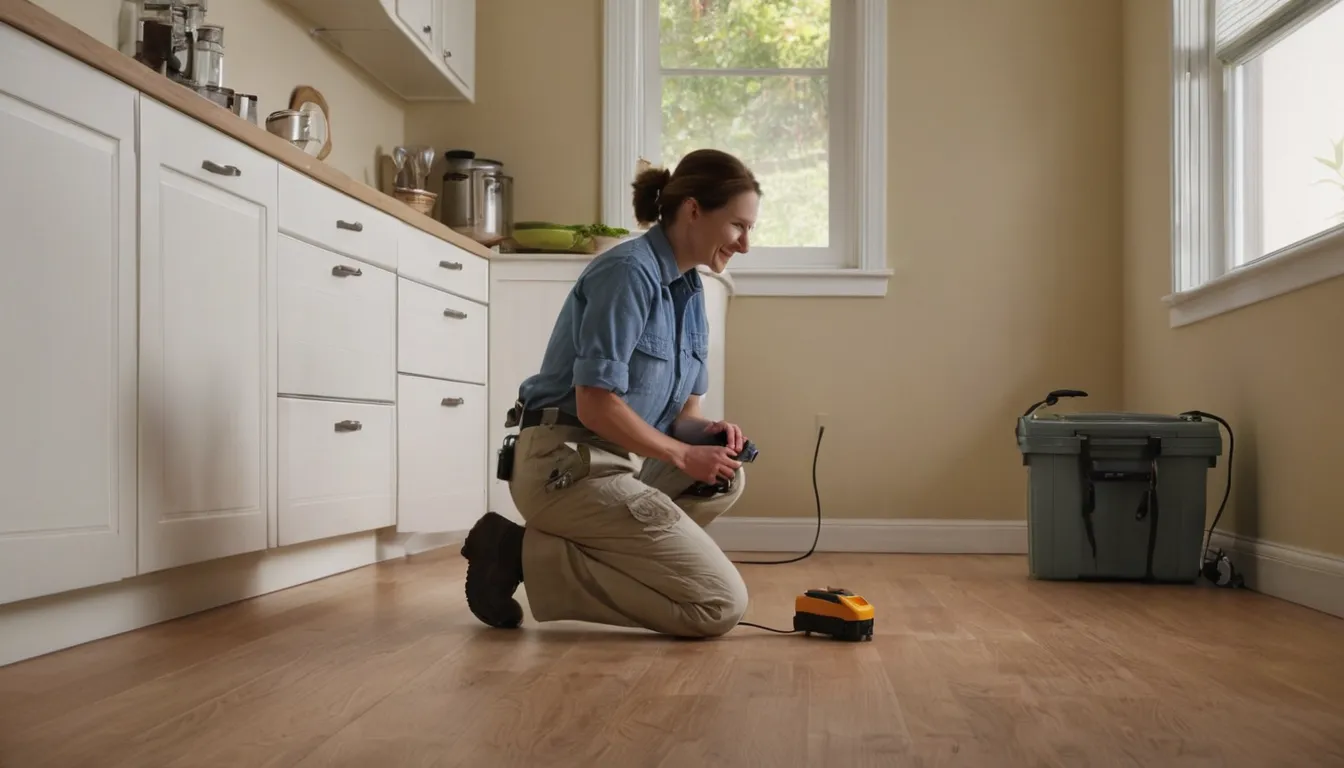
Request an estimate from a local provider
Seeing ants in the kitchen, roaches at night, or droppings in the pantry is stressful. You do not have to solve it alone, and you do not need to rush into a risky fix.
Clientcivil Pest Control is a referral service. You send one request, and we connect you with an independent provider in our network. The provider inspects your home, explains what they find, and gives you a written quote. Clientcivil Pest Control does not do the treatment itself. This page shows safe first steps, what a provider handles, and how to help the treatment work. There is no obligation to hire anyone.
Pause, then plan. Most pest problems feel worse in the first hour than they really are. A calm start keeps you and your family safe.
Here is a simple first-hour list.
Pests multiply. A few ants can become a trail in days. Mice can have many young in a season. In hot, humid weather, insects breed fast and look for dry, cool spots inside.
Termites are quiet. They can chew wood for months before you see a sign. Early action usually means a smaller job and a smaller bill.
Some small jobs are safe for a homeowner. Others need training and protective gear.
Providers use tools and products that store-bought sprays cannot match, and they know how to apply them safely around people and pets.
A visit often begins with an inspection. The provider looks inside and outside, finds how the pests got in, and explains the plan. Treatment may include targeted sprays, baits, dusts, traps, or sealing small gaps. Many providers also treat the outer edge of the home to keep new pests from walking in.
Residential pest control can be for one pest or for a general mix of pests. Ask the provider exactly what is included.
If you want an exterminator near me, you can send a request and let a provider in our network reach out.
It is smart to ask. Before the visit, tell the provider about kids, pets, fish tanks, and anyone with asthma or allergies. Ask which products they plan to use and where.
Ask how long to stay out of treated rooms. Ask when it is safe to clean the area. Read any label or sheet they give you. A good provider answers these questions clearly.
A one-time treatment can work for a single problem, like a small ant trail. An ongoing plan fits homes that face the same pests every season, which is common in warm, wet climates.
Ongoing plans often mean visits every few months. Ask for the terms in writing, including how to cancel.
Take your time. A good match feels clear and steady, not pushy.
Your part matters. Follow the provider's prep list. Clear floors, move items away from walls, and empty under-sink cabinets if asked.
Keep pets and kids out for the time stated. Do not wipe away baits or treated lines. Report any new sightings after the visit, since pests can take days to fade.
Send a request, share what you saw, and compare the written quote with no obligation.
A provider checks inside and outside to find entry points, nests, and signs of pests.
Sprays, baits, or traps are placed where pests travel and hide.
Many providers close small gaps around pipes and doors to keep pests out.
Some plans include a return visit to check results and treat again if needed.
Prices vary by pest, home size, and how bad the problem is. These are typical U.S. ranges only. Always ask for a written quote before you agree to any work.
| Service | Typical range | Notes |
|---|---|---|
| General pest treatment (one visit) | $100 – $300 | Ants, spiders, roaches, and crickets |
| Quarterly pest plan (per visit) | $40 – $150 | Often billed every few months |
| Roach treatment | $100 – $500 | May need repeat visits |
| Termite treatment | $500 – $2,500 | Depends on method and home size |
| Bed bug treatment | $300 – $1,500 | Rises with the number of rooms |
| Wasp or hornet nest removal | $75 – $400 | Higher if the nest is hard to reach |
Tell us what you saw, where you saw it, and how long it has gone on.
A provider in our network reaches out to you to talk about your home.
The provider inspects, explains the plan, and gives you a written quote.
If you hire, follow the prep list so treatment can work well.
Clear do and do-not steps help you protect family and pets before any treatment begins.
Providers in our network work in your area and know the local pests.
You get the plan and price on paper, so you can decide with care.
Send a request and compare. You choose whether to hire anyone.
Tell us what you found and where. Request an estimate and a provider in our network will follow up with next steps. No obligation.
No obligationProviders use products made for homes, and they follow label rules. Tell them about children, pets, and health needs first. Ask where products go and how long to stay out of treated areas.
Send a request through Clientcivil Pest Control. We connect you with an independent provider in our network who serves your area. The provider inspects and gives a written quote, and you have no obligation to hire.
For small jobs like a few ants, cleaning and sealed food can help. Termites, bed bugs, rodents, and nests in walls need a provider's training, tools, and protective gear. Know your limits.
Tell us what you found and where. Request an estimate and a provider in our network will follow up with next steps. No obligation.
No obligation